By Jillian Maniquis
I’m sat down, food in my lap, waiting to watch a movie. It sounds like a typical Friday night at home except, well, this time it’s not. I’m sitting down in a dimly-lit theatre of over 300 Filipinos speaking their native tongues of Tagalog, Ilocano, Visaya (amongst the ones I can identify), all antsy to watch a film directed by Filipino-American director, Alexandra Cuerdo, about Filipino/Filipino-American cuisine. There is a fragrance of garlic fried rice in the room, everyone has calamansi juice sitting in the drink holder of their theatre seat, and I’m eating a champorado and ube inspired dessert. Beneath it all is an understanding that this moment is about a lot more than just food. Right before Ulam: The Main Dish begins, I am caught in this realization: This is a film created by my people, for my people, about my people, shared with an audience much larger than just us. This is the first time I’ve ever experienced a film of this nature– a film which I can relate to both the narrative and the faces of the film. A film in which I don’t have to compromise the latter for the former. The theatre goes dark and before the film rolls, my eyes are already glazed over, overflowing in pride.
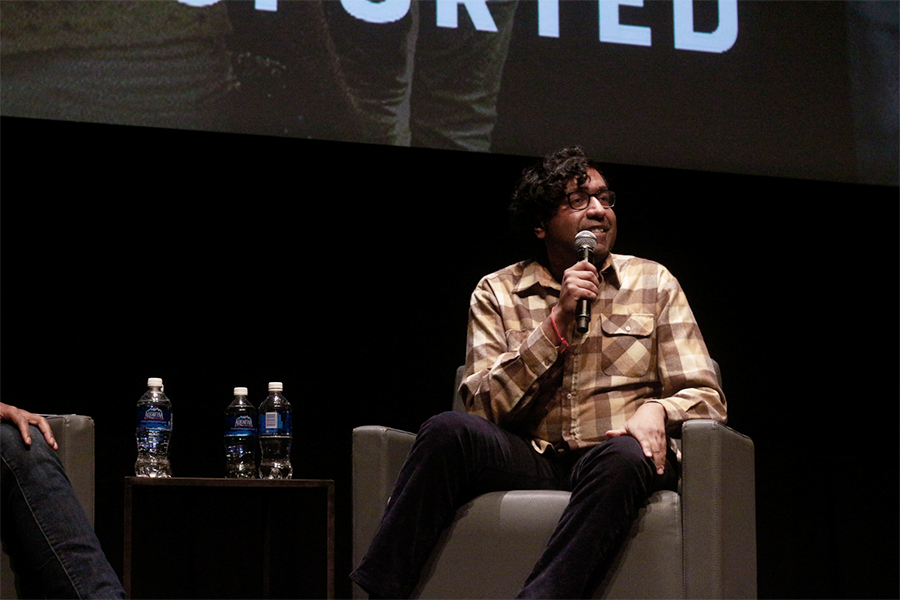
I can only imagine this is the same feeling many people get to experience at the Toronto Reel Asian Film Festival. During his keynote, Hari Kondabalu shares (paraphrased): “As individuals, we all have different stories. This makes infinite amounts of stories available. As storytellers, we don’t need to keep telling the same ones.” This is a statement I think Reel Asian embodies– being a catalyst of Asian stories amongst a North American viewership. Allowing people who are otherwise not seen on big or small screens an opportunity to finally see their stories being represented, giving creators and storytellers the platform to do so, and ultimately pushing for Asian representation in mainstream media.
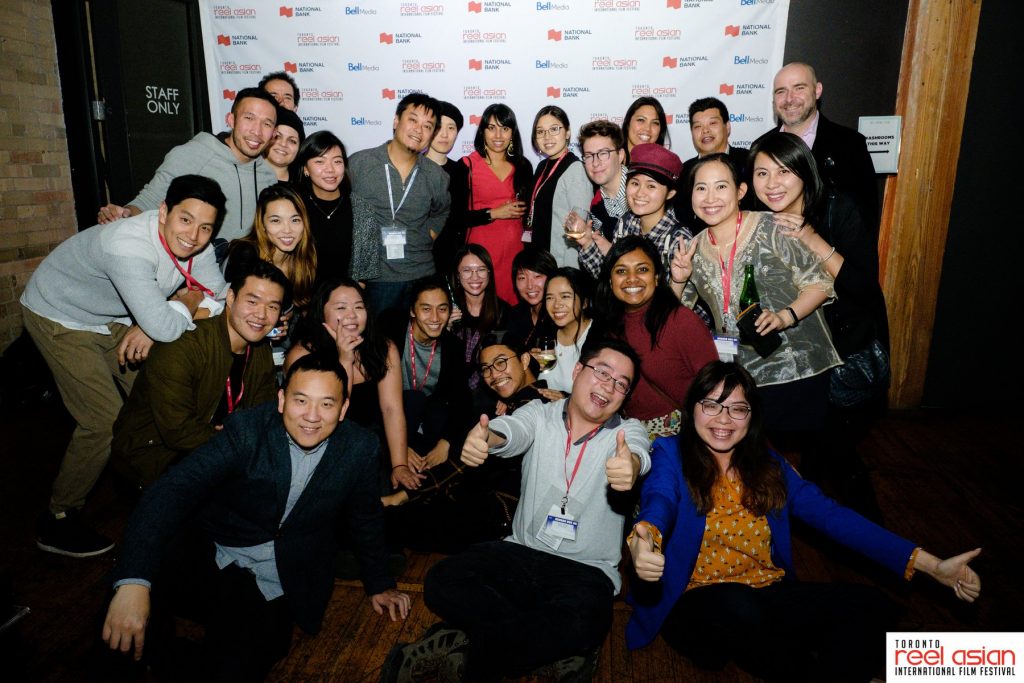
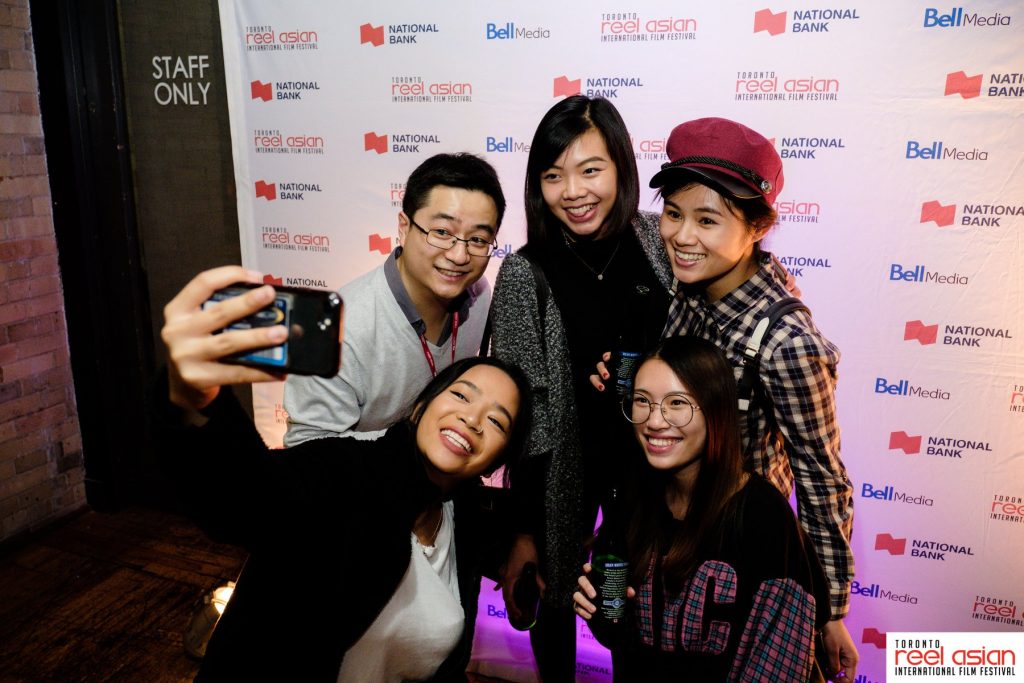
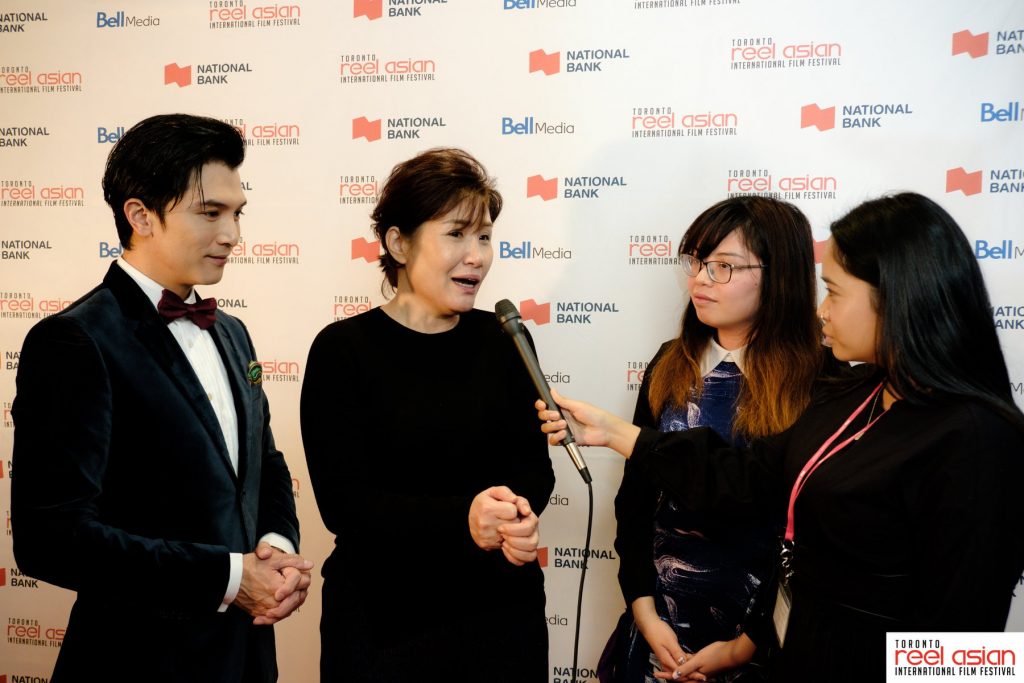
At this year’s festival I was privileged to join the Reel Asian team as their Social Media Assistant, which gave me an opportunity to really delve deep into Asian media and representation. This meant my role during festival expanded from just watching and reacting to films on social media, to actually getting to speak to the filmmakers, actors, producers etc. Particularly, I had the chance to speak to other filmmakers about their creative processes, their setbacks, and why a festival like this is important to them which really allowed me to be inspired to also create media which is meaningful as a storyteller myself.
My personal favourite programs at the festival were Pulse, their short film programs, which included the likes of Unsung Voices. One of the greatest narratives carried across many of the films was the integration (and oftentimes, assimilation) and experience of Asian-Americans. There is solidarity in being able to see your story being depicted on the screen, from the roots of other people’s experiences — understanding that as Asian-Americans, many of us are children of immigrants, we all experience similar hardships and can nod in collective agreement when those experiences are acknowledged on screen.
There is something really unique about the Reel Asian Film Festival, in that it collectively brings quality Asian cinema a home in what is renowned as an incredibly diverse city – allowing for these stories to be told to a diverse audience of diverse perspectives. For anyone looking to find themselves in a film, learn more about other cultures, and enjoy a good movie, I truthfully and wholeheartedly believe that Reel Asian is the place to be. As an annual event it’s so well crafted and produced, and so much anticipation is being built. There is an overwhelming feeling of community and pride within all these events which I think is the best part of the experience.