
If “Asian August” – and the success of Crazy Rich Asians, To All the Boys I’ve Loved Before, and Searching – still has you craving more Asian films to watch, then don’t fret! The Toronto International Film Festival (TIFF) is back and this year’s curated picks feature films from 12 countries across Asia. With short-films, features, documentaries, and major world-premieres, there are plenty of titles to choose from for film-buffs and film-enthusiasts alike. We’ve rounded up some of our top-picks for this year’s festival.
Bai Xue’s The Crossing – China
For festival-goers looking for coming-of-age films, The Crossing and The Third Wife are two films that may pique your interest. These are not your typical coming-of-age films. Sure, they’re about teenagers navigating and transforming their way through life, but the hurdles and realities these teenagers face echoes much larger issues.
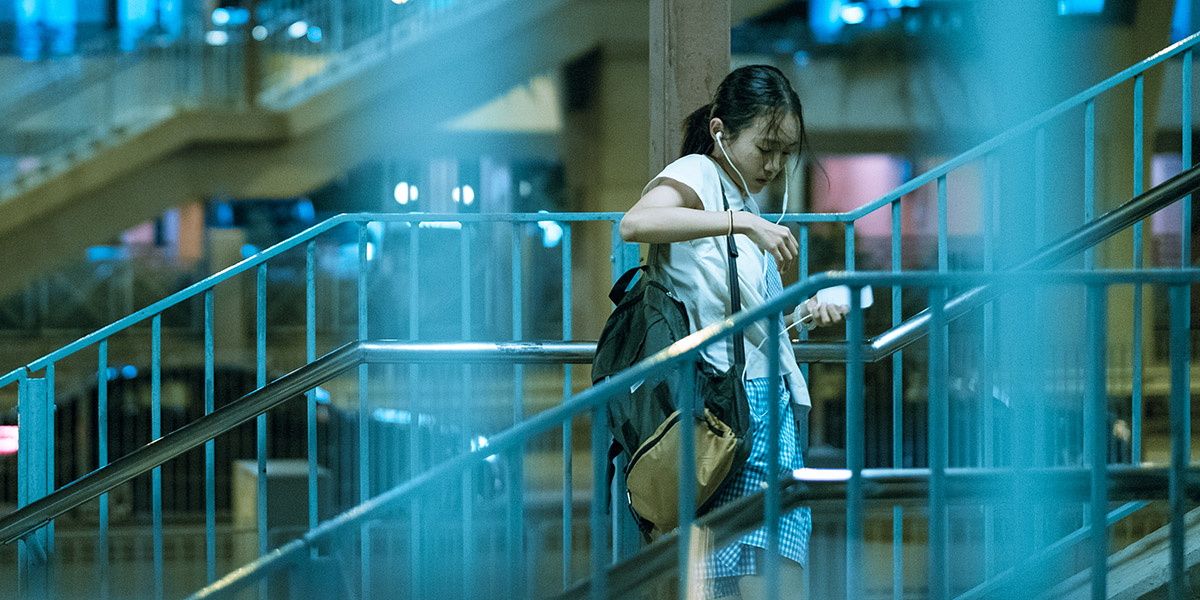
Bai Xue’s The Crossing is making its world premiere at TIFF; an unusual, but captivating story that follows a 16-year-old student trying to save enough money to join her friend on vacation. Her prior means of making money come up short, and she turns to smuggling smartphones across the borders of Hong Kong and mainland China. The struggles in crossing the border act as an allegory for crossing over between childhood and adulthood.
Ash Mayfair approaches coming-of-age from a different perspective in The Third Wife. Here, a 14 year-old is faced with exploring the natural order, family politics, agency and motherhood. A look into nineteenth century Vietnam, The Third Wife takes place during a time in which patriarchy ruled and women’s independence was barely cared for.

Anurag Kashyap’s Husband Material – India
For the romance lover, Asako I & II, Husband Material, and Burning could be the films to see. With plenty of love-triangles in crazy plot lines mixed with themes of societal pressure, these films won’t disappoint. If you fell for Rachel Chu and Nick Young, then prepare to fall all over again.
Asako I & II is described by TIFF as a film that captures “the mundane magic of falling in love.” It’s based on the best selling novel, Netemo Sametemo by Tomoka Shibasaki. With first loves and doppelgangers, this film asks: What would you do if you got a second chance with your first love (or at least, someone who looks exactly like them)?
Husband Material presents us all the beauty of a classic love triangle while capturing the melodramatic spirit of Asian relationships on screen filled with overwhelming societal and familial pressures. Which of the men in Rummi’s life is husband material?
Lee Chang-dong’s Burning reads more like a thriller than a romance. In typical love triangle expectations, the story forces one character to choose between two others. However, in this film’s love triangle, Hae-mi – Ben and Jong Su’s love interest – disappears without a trace (even her cat goes missing with her).

Naomi Kawase’s Vision – Japan/France
Science fiction meets social justice in many of this year’s films. We’re looking at Baby and Vision – two very different stories with emphasis on social justice and identity.
A film like Baby focuses on China’s current day society and the ways in which they deal with fostering children and cost of medical care. Following a woman abandoned at birth due to a genetic disorder, she goes to extremes to save a child she meets with the same fate.
Vision brings out more of the science fiction aspect but still touches on what would happen if we could remove spiritual anguish and weakness amongst us as humans. The film follows Jeanne on her journey to find Vision, a rare medicinal plant found in Japan that have exceptional powers.
Phuttiphong Aroonpheng’s Manta Ray – Thailand, France, China
If you’re more interested in historical documentaries/ fiction? Then give Graves Without a Name, Manto, or Manta Ray a shot.
For director Rithy Panh, Graves Without a Name is a documentary which uncovers the remains of his family lost to the Cambodian genocide and at the same time helps him find closure.
Manto is a biopic which follows short-story author Saadat Hasan Manto, during the time of India’s independence from British Rule. Manto writes about the chaos of the times, which eventually leads him to be put on trial at six different occasions.
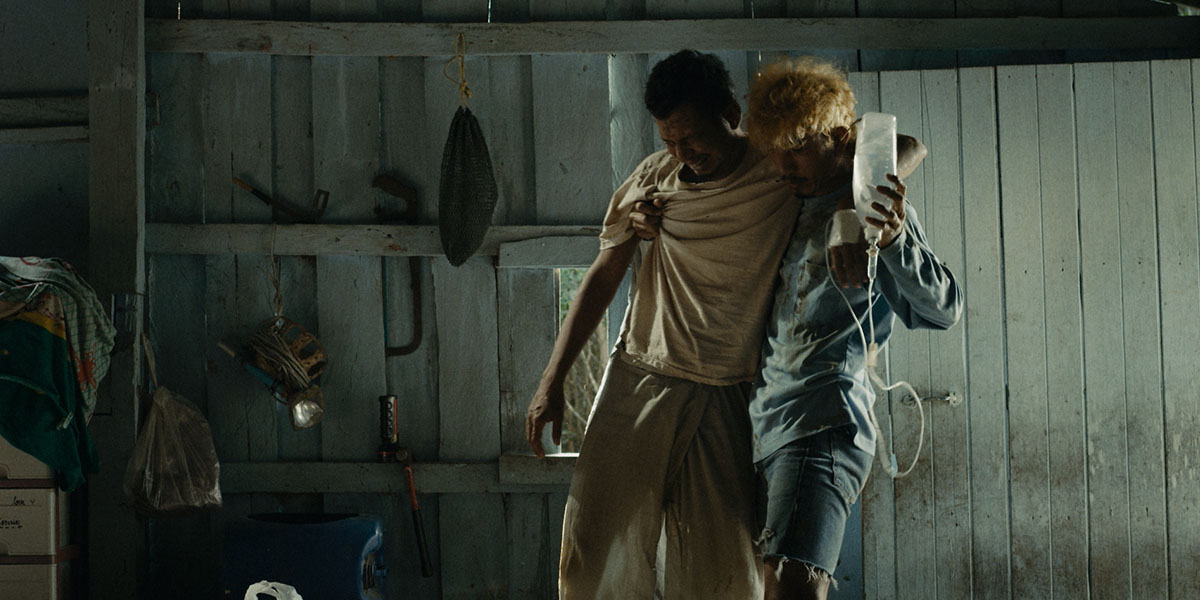
Manta Ray’s director, Phuttiphong Aroonpheng, shares this film as a project dedicated to the Rohingya refugees left stranded at sea by Thai authorities. The complex story between a Rohingya refugee and Thai fisherman touches on the themes of identity, foreignness, and the reluctance to welcoming strangers.
Carlo Francisco Manatad’s Imminent Immanent – Philippines, Singapore, Italy
Not enough time? Try a short! TIFF’s Short Cuts program includes titles like Folklore: A Mother’s Love & Folklore: Pob – which TIFF shares: “Eric Khoo transforms the concept by culling together some of the best genre directors from Asia to tell creepy tales that speak to their respective cultures, in settings both historical and contemporary.”
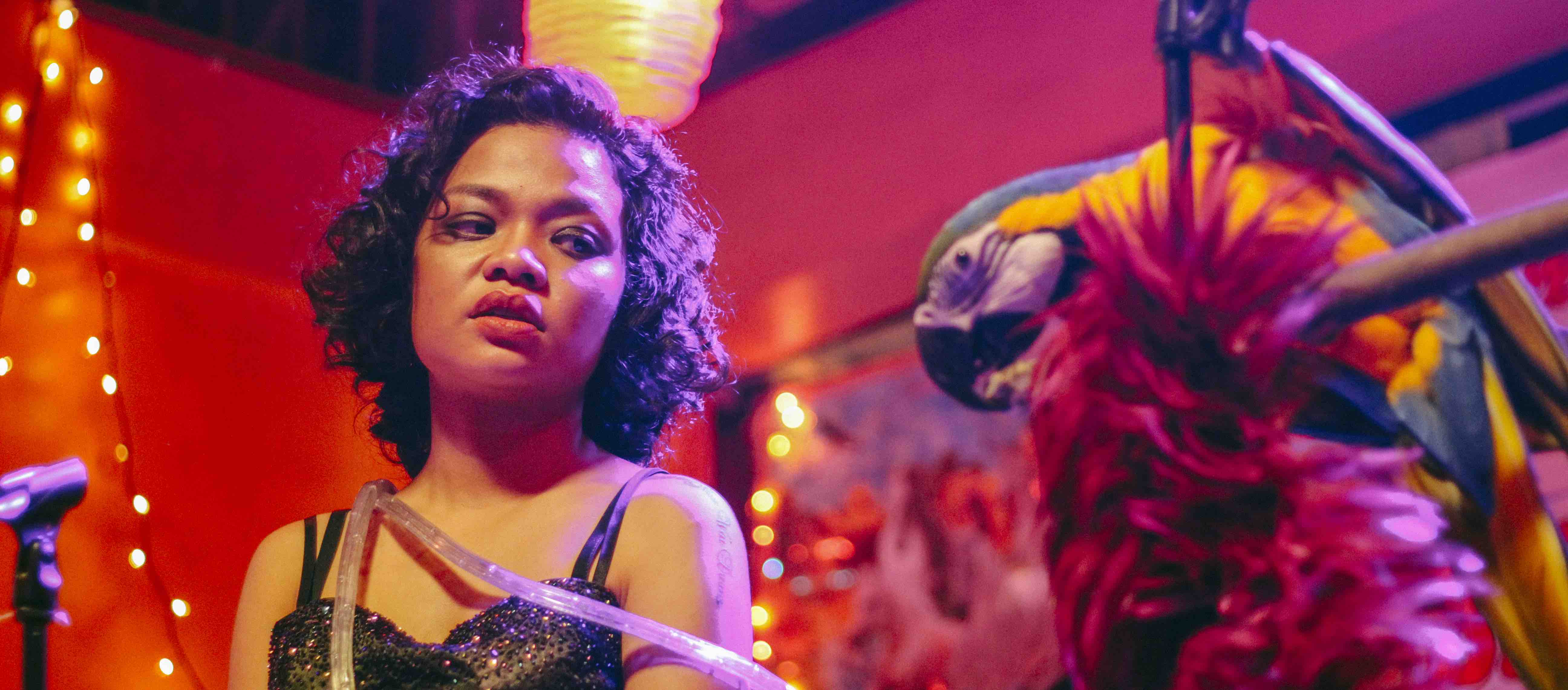
Though, if horror and thrills don’t particularly excite you, the festival is also showing The Imminent Immanent. The film takes place in a rural town in the Philippines that is met with a typhoon, however, before it does the people of the town experience strange events and behavior.
If “Asian August” has show us anything, it’s that Asian stories – especially ones that embraces its diversity – are extremely valuable. Many of the films at this years Toronto International Film Festival have very different stories, all from diverse perspectives, and showcasing many voices. What are your top picks for this year’s festival?
*Images courtesy of TIFF