
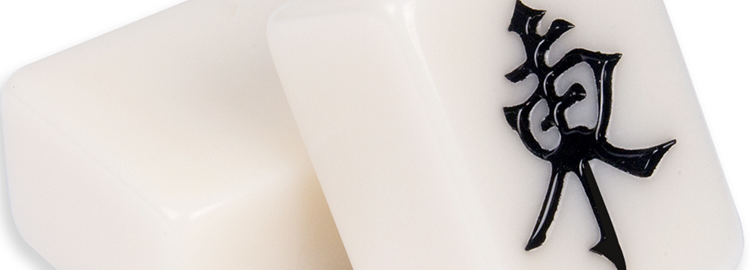
I’ll admit it. There were times that I was less than enthusiastic about my family Lunar New Year celebrations. But I can’t be the only one who felt this way right? I will be the first to admit that there were more than a few years of my childhood where I was completely unmotivated to partake in any of the activities. But, to avoid the fresh verbal lashings from Mama Lui and Papa Lui (and also to claim the stack of ‘red pockets’ that was rightfully mine), I sucked it up and participated respectfully.
In my defence, I was very uninformed and my young mind did not know any better. Nowadays however, living far away from my family, I relish the thought of being able to celebrate the Lunar New Year with my loved ones back home. One thing that helped me pass the time through the ‘troublesome’ New Year activities were traditional Lunar New Year games. Here are a few from various parts of the world:
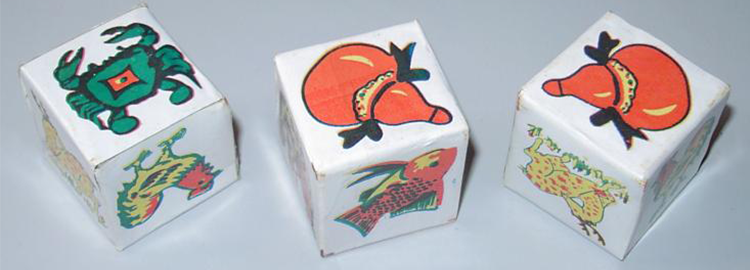
Bầu Cua Cá Cọp is a Vietnamese game that is played the Lunar New Year and it literally translates to “squash-crab-fish-tiger”. The die used in this game does not have the traditional one to six pips on each side, but instead they have pictures of a fish, a prawn, a crab, a rooster, a gourd, and a stag. Players place wagers on the game board that also has six pictures that correspond to the sides of the die. Check out the rules here!
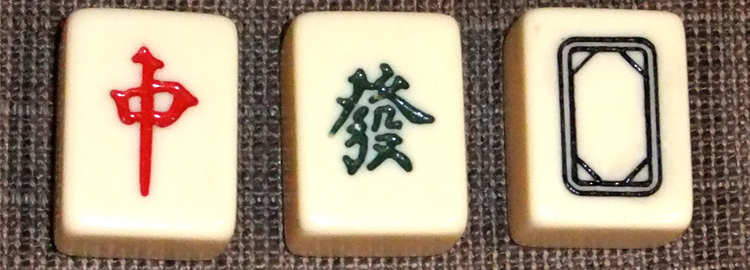
Mahjong is an ancient game that dates back centuries in many Asian cultures and has a variety of different versions. The version I am most familiar with is the Hong Kong or Canton-style mahjong. It is very difficult to explain the rules of mahjong with just a few words, many prefer to teach the game practically and physically, and many see it as a rite of passage for their children. I was taught at an early age so that I could participate in New Year activities as a kid (and also to make a little extra pocket money after school). Here is a comprehensive site of various mahjong rules from around the globe.
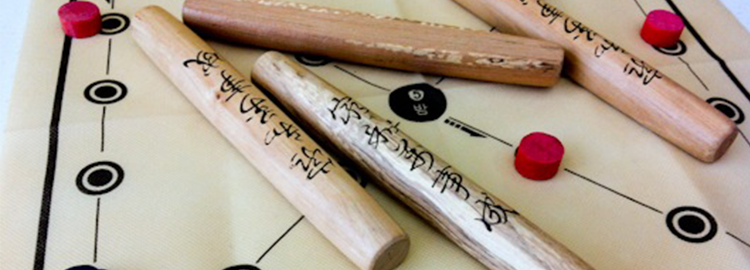
Yut Nori is a traditional Korean game that utilizes four sticks, a game board, and four tokens per team. You toss the “yut-sticks” into the air to determine how many spaces you advance with your tokens. The yut-sticks have a rounded side and a flat side. Click here for an informative video tutorial of how to play!
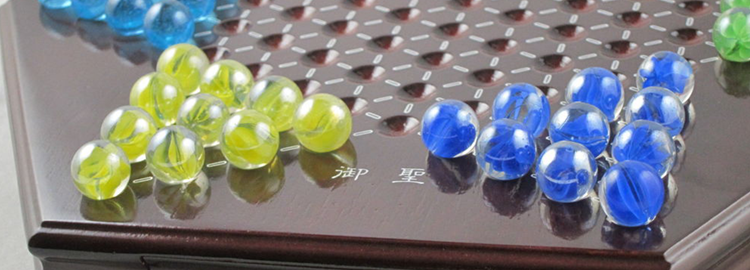
Chinese Checkers was actually invented by the Germans (originally called “Stern Halma”) and was given its name in the 1920s for marketing purposes. Although this game had no Chinese origins, it was still a part of my Lunar New Year celebrations growing up. The game was apparently introduced to Chinese-speaking regions by the Japanese. Click here for the rules of the game.
In preparation of the upcoming Lunar New Year, Reel Asian presents a mini blog series discussing the traditions behind this widely celebrated event.
Join Reel Asian and FACL on March 5 as we hold our first Lunar New Year Fundraiser Dinner to support Reel Asian’s youth mentorship and leadership programs. More information here.
Article written by Philbert Lui.